
Discover how shared and structured parenting practices can transform family dynamics and enhance mental well-being, as outlined in a recent article. Highlighting findings from a study involving over 1,000 parents, the article reveals that shared parenting, where tasks are divided equitably between partners, is linked to reduced symptoms of parental depression and improved behavioral outcomes for children. Moreover, structured parenting, characterized by predictable routines and consistent limit-setting, is associated with fewer behavior problems in young children. The article emphasizes the importance of changing perspectives on co-parenting, encouraging both partners to equally invest in decision-making and caregiving tasks. It suggests letting go of control or taking full ownership of parenting tasks to foster a more balanced approach. Additionally, establishing regular meetings to discuss parenting responsibilities and family plans is recommended to promote collaboration. Consistency in rules, discipline, and positive parenting strategies is highlighted as crucial for effective shared and structured parenting. Lastly, the article underscores the significance of creating and sticking to routines to provide children with stability and both partners with breaks.
To read more on this topic click here.
Jasleen Kaur, UConn KIDS Research Assistant


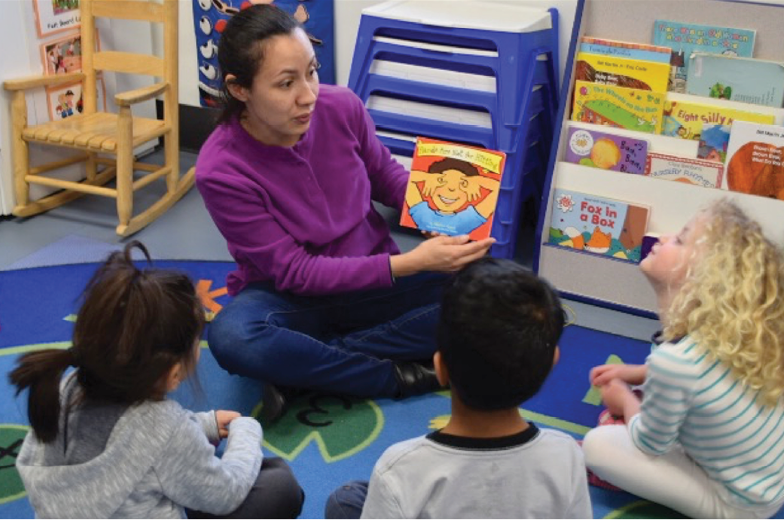




 The glaring lack of educational accessibility for Deaf children constitutes a crisis, perpetuating cycles of inequality and marginalization. Across diverse regions and socioeconomic contexts, Deaf children encounter formidable barriers to learning, stemming from insufficient language exposure and limited resources tailored to their needs. This deprivation of early language acquisition deprives Deaf children of the foundational skills necessary for academic success and social integration, perpetuating a cycle of educational disadvantage and hindering their future prospects.