Author: Rafi, Afrah

Benefits of Playing Sports in Child Development

What Are the Health Benefits of Youth Team Sports? - Scripps Health

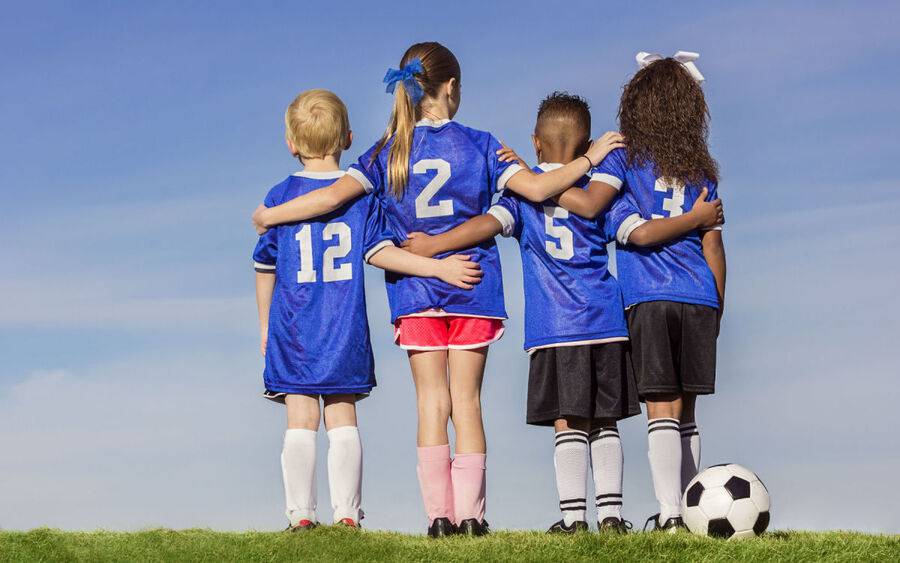
Playing team sports has several benefits to children and aids in proper child development in many ways. Especially today, when children are tending to spend more time playing video games indoors than playing outdoors and rates of childhood obesity are on the rise, it’s important to know all the ways kids benefit from playing in outdoor team sports.

The physical benefits to kids playing in outdoor team sports are the most obvious. In addition to preventing obesity, lower risks of future illness such as heart disease, cancer, stroke, and diabetes are also linked to playing sports. Kids also benefit from better development of  bones, muscles, ligaments, and tendons, improved sleep, and “greater development of hand-eye coordination, functional movement skills, endurance, and strength.”

There are also psychological benefits to playing outdoor sports, such as lower stress levels, lower rates of anxiety and depression, and greater reported self-confidence and self-esteem. Playing in sports has also been linked to greater academic success for kids, as lower dropout rates and higher GPAs are correlated with playing team sports. There is also some research suggesting this manifests later in life as well, as kids who played sports see a 7-8% increase in annual earning compared to those who didn’t play sports.

Overall, it is clear that there are significant benefits to children that come with playing team sports, especially outdoor sports, during childhood. Having coaches that are supportive and positive mentors to kids is also crucial, and can greatly impact a child experience with playing sports.

Click here to read the full article!

Afrah Rafi

UConn KIDS Research Assistant
How Does Screen Time Impact Language Development?

Think Tank Thursday Banner

For scientists studying children and early language development, we are currently living in an exciting time for scientific discovery! With the popularization of technologies like phones and TVs, and the increasingly likelihood of children using and watching screens as early as infancy, scientists are trying to determine what effect screen time has on language development.

There is still much unknown about this topic, so this video by HELLO Lab showcases the different type of screen times (active vs passive) that your baby or child may be engaging in and how they can potentially impact language development. The concept of “parental technoference” is also explained, and how that may be having more of an effect than parents even realize!

Stay tuned for more HELLO Lab content and click here to watch the full video!


Afrah Rafi

UConn KIDS Research Assistant

Trivia Tuesday

5 Common Learning Disabilities in Students and How to Address Them

Welcome back to Trivia Tuesday with UConn KIDS!

Last week’s question: What age do children begin organizing information in their memories?

The answer to last week’s question: d) around 7 years old


This week’s question is…

Around what percentage of school-age children in the US have a learning disability?

a) 0% to 5%

b) 5% to 15%

c) 15% to 25%

d) 25% to 35%


Tune in next week to find out the answer!

Two-Month Old Babies Are Making Sense of the World

Can a Brain Scan Help Diagnose ADHD? • American Health Imaging

For long, we have wondered what goes on in a baby’s mind before they are old enough to communicate through speech or intentional movements. Research by scientists in Trinity College Dublin is shedding light on how infants process and make sense of the world, doing things more advanced than we had previously thought possible for 2-month old babies.

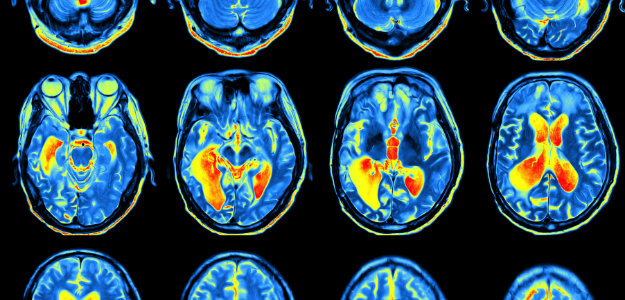
The researchers used a combination of brain scans and artificial intelligence (AI) models to record brain activity while showing babies images from 12 familiar visual categories, things like cats, trees and rubber ducks for 15-20 minutes. The scans and following analysis showed that these young babies were able to categorize different images into different categories. Thinking of different categories would light up activity in different parts of the brain. These scans were done on 130 awake babies making this the largest longitudinal study with fMRI (a type of brain scan) done on awake babies.

This study not only shows us that infants are taking in their surroundings and making sense of the world much earlier than we expected, but it also provides a foundation for further studies to take place that combine brain imaging and AI models. The use of both tools enabled the scientists to discover that babies can group together visual items in their mind, furthering our understanding of how the brain develops in infants. This is one great example of the intersection between AI and science and how we can use it in addition to current  tools and techniques to further scientific research!

If you would like to learn more, check out this news article or the published scientific paper here!

Afrah Rafi

UConn KIDS

Drawing to Distract Improves Mood in Children

What your child's drawings are telling you - what do kids drawings mean? -  art lessons online — Artory School

Distraction is one of the big ways that kids regulate their emotions. It can be either behavioral distraction, doing an activity as a distraction, or cognitive distraction, where kids thinks about something distracting. Contrary to what it might sound like, distraction isn’t the same as avoiding a problem or feeling, rather kids are simply distracting themselves in the moment to adjust their feelings. Adults do this all the time, and we are able to do it consciously, but young children may need to be prompted as they don’t develop the ability to seek out and plan their distracting ability until later in childhood.

This article looks at the difference between drawing as a distraction and drawing as a means of expression. Kids are naturally inclined towards drawing and creating art, and so it is a good technique for emotional regulation. Although creating art is a great method of expression and kid should be encouraged to express themselves, in terms of mood regulation, drawing as a distraction seems to be more effective. Drawing as a distraction is especially effective when kids are given the choice of what to draw, or draw a positive memory.

The article looks at different studies done on the effects of drawing as a distraction on children of different age ranges. It was found that there was more of a positive effect on younger children, whereas older children still benefited from drawing as a distraction, but to a less extent. This could be due to the fact that younger children generally perceive their art as “better” whereas older kids may be more critical of their art which can lessen the positive effect of drawing. Regardless, drawing as a distraction was seen to be much more effective than drawing to express in improving a kid’s mood. Overall, drawing to distract seems to be a great tool for kids to regulate their emotions and easily improve their mood!

To learn more and read the full article, click here!

Afrah Rafi

UConn KIDS Research Assistant

What Lack of Sleep Does to the Teenage Brain

Think Tank Thursday BannerPoor sleep linked to a common cause of blindness - Harvard Health

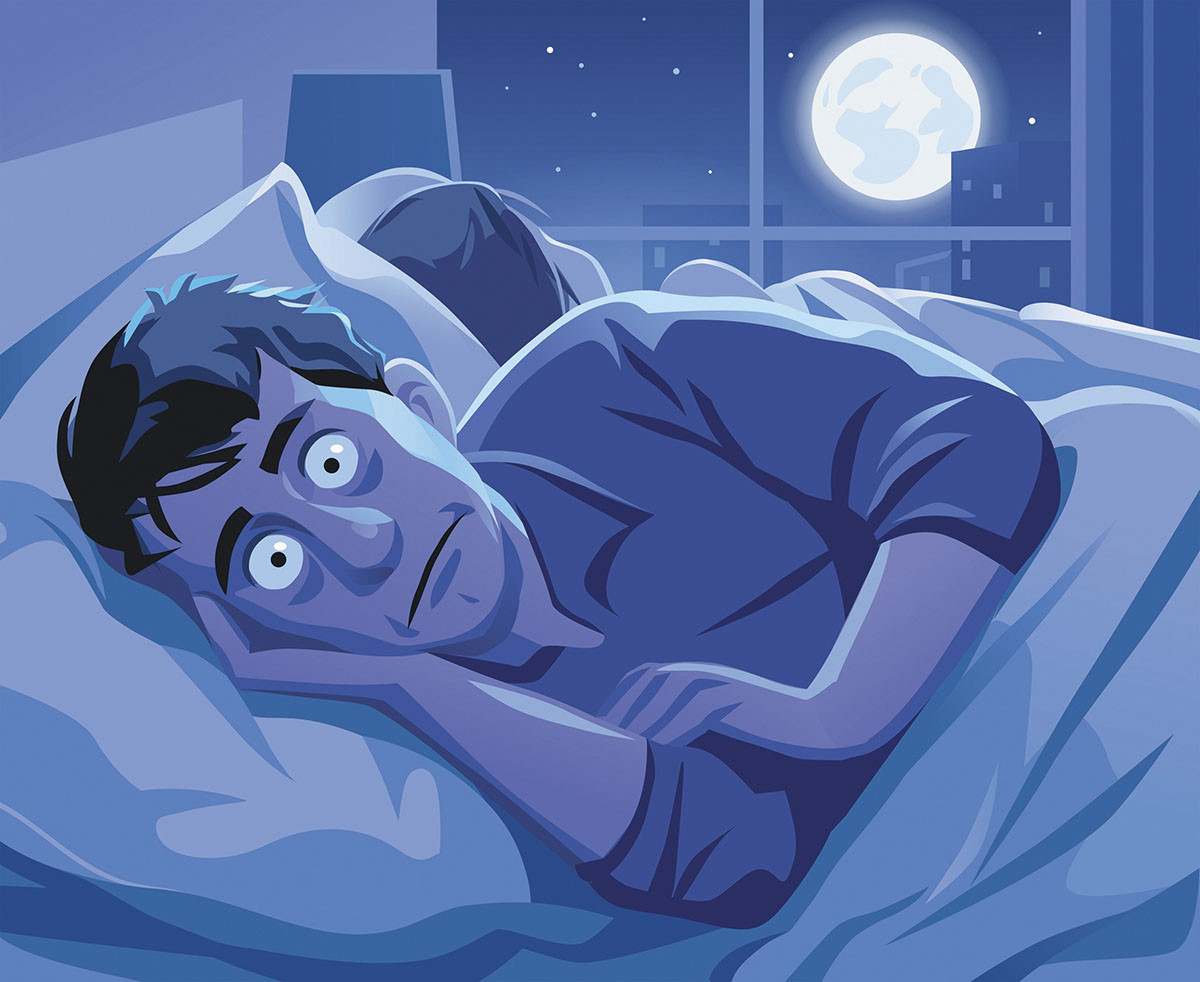
In the Ted Talk, “What Lack of Sleep Does to the Teenage Brain” sleep scientist Wendy Troxel explains how chronic sleep deprivation is harmful to teenagers and how a large part of this problem is caused by the early start times for middle and high schools. The vast majority of teenagers are not getting the 8-10 hours of sleep a night that is recommended for teenagers. Troxel explains that because teenagers go through a shift in when their body gets naturally sleepy, teenagers get tired around 2 hours later than children and adults, and so waking up for school at 6am is even harder for a teenager than it is for an adult.

Sleep is so important for brain growth and development, especially for teenagers who are learning so much every day. Sleep is the time when they should be able to rest and relax and let their brain develop, but a chronic lack of sleep hinders a teenager’s ability to do so. Not only this, but sleep deprivation adds to and worsens many behavioral and mental health issues in teenagers, many of which are currently on a rise, such as depression, anxiety, and reckless driving.

Troxel argues that although it will be difficult to make the switch the later school start times, it is a necessary switch for the health and well-being of teenagers. More sleep will allow them to do better at school, have improved mental and physical health, and be the best version of themselves!

To learn more, watch the full video here!

Afrah Rafi

UConn KIDS Research Assistant

Trivia Tuesday!

Welcome back to Trivia Tuesday with UConn KIDS!

Last week’s question: What is the recommended amount of daily exercise for elementary age children?

Last week’s answer: B) 60 minutes


This week’s question is…

At what age range do children learn to imitate and play pretend?

a) 0-2 years

b) 2-7 years

c) 7-11 years

d) 12 years and older

The 30 Million Word Gap

The word gap, otherwise referred to as the 30 million word gap, describes the gap in how many words are heard by a young child who is from a low socioeconomic status (SES) family versus a child from a higher SES family. The term was first coined by researchers Betty Hart and Todd Risley in 1995, and though there is some controversy around whether the word gap is much lower than 30 million words (instead closer to a few million), the point remains that there is a marked difference in the vocabulary of children based on their economic background.

This article by the National Association for the Education of Young Children (NAEYC) explores the word gap, how it manifests in small children, and some strategies to try to combat it and improve the vocabulary of all children. The article focuses on a study looking a 18 month and 24 month old children to determine the difference in language processing and vocabulary in toddlers of different SES backgrounds. Kids were shown pictures of two different object and then played a recording that said one of the object’s name and used it in a sentence. Eye-tracking software revealed that kids from higher economic background looked at the corresponding picture faster and spent more time looking at the correct picture, compared to the kids from lower economic backgrounds, indicating their knowledge of the vocab word and a faster processing time. In fact, the 24-month-olds from the low SES group were performing at the same level to the 18-month-olds from the high SES group, demonstrating the word gap in action from such a young age.

Thus, the word gap is clearly real and affects children in real and harmful ways. Not only will young children in lower SES families have less exposure to a range of words, and thus a less developed vocabulary, but the word gap may also lead to issues further down the line, including trouble with reading skills and school success in general.

So what can we do to eliminate this inequality? Although systematic changes will be needed to completely eliminate the word gap, as it is a result of systematic inequalities in our society, we can make small changes at home and in schools to ensure each child is exposed to as many words as possible in their early childhood. This includes reading to children daily, encouraging conversation between children, introducing new words on a regular basis, and using songs and rhymes to playfully introduce vocabulary. It is vital that both teachers and parents are aware of the word gap so they can do their best to combat it and set their kids up for success.

To learn more, read the full article here!

Afrah Rafi

UConn KIDS Research Assistant
Inside the Mind of a Newborn Baby

Think Tank Thursday Banner

In the Ted Talk “Inside the mind of a newborn baby”, psychologist and philosopher Claudia Passos Ferreira suggests that newborn babies may be more conscious of the world around them then previously thought. Ferreira explains how only a few decades ago, it was common belief that newborns were not conscious at all and could not feel pain. Babies were though to be “passive observers” of the chaotic, confusing world around them. Nowadays we know this isn’t fully true, and that babies can certainly feel pain, but then what does really goes on in the mind of a newborn?

Referencing key research done in the fields of neuroscience and psychology, Ferreira makes a compelling argument that newborns are consciously taking in the world around them, not just from birth but possibly even as early as the last few weeks of pregnancy! Brain scans show that babies respond to variations in patterns with activation of the same brain regions as adults. Newborns also seem to exhibit the same phenomena as adults when concentrating on one thing and taking time to shift attention to a new thing, babies just need a lot more time to do so!

All of the research discussed in the Ted Talk leads Ferreira to believe that babies possess a level of conscious thought and processing higher than what was previously imagined. We’ll never being able to ask a baby what they are thinking and have them respond, which is where the difficulty in researching this topic arises. Thankfully, today’s research, done by people like Claudia Passos Ferreira and many more, helps us get closer to a better understanding of our little ones!

To learn more, check out the full video!

Afrah Rafi

UConn KIDS Research Assistant
How Do Shy Kids Respond to Seeing a Peer in Stress?

Have you ever felt nervous on behalf of someone else? Empathetic anxiety, or feeling anxious when you feel that someone else is anxious, is a well documented phenomena. This phenomena applies to children as well, however what is less known is how shy children respond to seeing a peer in stress. Shy kids are often seen by their peers as less empathetic, because of their tendency to say little and not interact with their peers. However, it is likely that they are just as empathetic as their peers, but just show it a little differently.

To test this, the researchers set up a study where they would observe shy children upon seeing a peer in a stressful situation. Heart rate was recorded as a measure of anxiety: higher heart rate corresponded with higher levels of stress and anxiety. Children were assigned to pairs, and then had to take turns giving a 3-5 minute speech in front of the other child and a few other strangers. Both children were recorded during the preparation and presentation of the speech. The presenting child behavior was analyzed for physical indications of stress, which the observing child’s heart rate was recorded. The children also took a questionnaire prior to this to determine levels of shyness, allowing the researchers to draw correlations between levels of shyness and stress when observing people with varying degrees of visible anxiety.

The results of the study show that children’s shyness was correlated with stress in the context of their peer’s social stress, especially if the presenting peer was exhibiting visible signs of anxiety. For example, if a shy kid was observing their peer give a speech and they exhibited many anxious behaviors while speaking, the shy kid would experience more stress than if their peer hadn’t been exhibiting so many anxious behaviors. Anxious behaviors include things like stuttering, mumbling, and avoiding eye contact. Interestingly enough, the study also indicated that when the child presenting seemed confident, shy children were more likely to have a decreased heart rate, corresponding to lowering levels of stress.

The results of this study indicate that shy children are able to recognize and empathize with the social stress of a peer, going so far as to feel the stress themselves. Contradictory to what some may think about shy kids, they are in fact quite empathetic to their peers. Their perceived lack of empathy might be more about a lesser amount of obvious empathic behaviors rather than feeling less empathy than a child that is not shy.

To learn more and read the full article, click here!

Afrah Rafi

UConn KIDS Research Assistant