
For long, we have wondered what goes on in a baby’s mind before they are old enough to communicate through speech or intentional movements. Research by scientists in Trinity College Dublin is shedding light on how infants process and make sense of the world, doing things more advanced than we had previously thought possible for 2-month old babies.
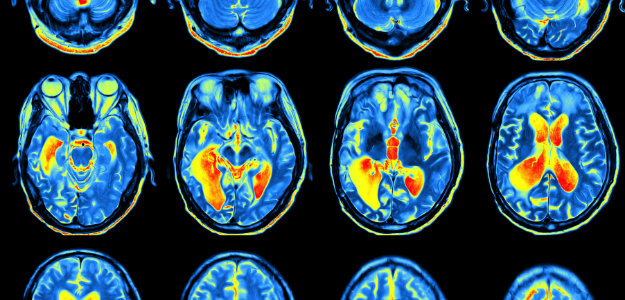
The researchers used a combination of brain scans and artificial intelligence (AI) models to record brain activity while showing babies images from 12 familiar visual categories, things like cats, trees and rubber ducks for 15-20 minutes. The scans and following analysis showed that these young babies were able to categorize different images into different categories. Thinking of different categories would light up activity in different parts of the brain. These scans were done on 130 awake babies making this the largest longitudinal study with fMRI (a type of brain scan) done on awake babies.
This study not only shows us that infants are taking in their surroundings and making sense of the world much earlier than we expected, but it also provides a foundation for further studies to take place that combine brain imaging and AI models. The use of both tools enabled the scientists to discover that babies can group together visual items in their mind, furthering our understanding of how the brain develops in infants. This is one great example of the intersection between AI and science and how we can use it in addition to current tools and techniques to further scientific research!
If you would like to learn more, check out this news article or the published scientific paper here!
Afrah Rafi
UConn KIDS