
Author: Grace

Boredom can be a Good Thing for Kids?

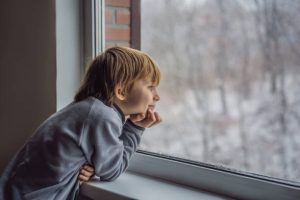
With all the recent snow days, parents might be stuck at home hearing a lot of “I’m bored” from their kids all day. While most parents feel pressure to fix it right away, this article brings up great points that explain how boredom is actually not a bad thing.

1. Boredom helps kids slow down and notice the world around them. Instead of always being on screens or in planned activities, they start paying attention to small things and learning naturally. Kids are naturally curious, and working with their imagination, boredom gives them opportunities to explore.

2. Mental breaks are important. Being constantly busy can be overwhelming, and boredom gives their brains time to rest.

3. Creativity flourishes when kids are bored. They have to come up with their own ideas, like building something, pretending, or making games. These moments help them learn how to solve problems on their own. If everything is always planned for them, they do not get that chance.

4. Boredom also helps kids become more independent. Even something simple like figuring out what to do during a snow day teaches decision making and responsibility. These small moments actually matter more than they may seem.

Especially during snow days, it might be okay to let kids be bored sometimes instead of trying to fill every moment. That space helps them grow!

Click here to read more!

Grace Hoey

UConn KIDS Research Assistant
Today’s Friday Feature is Grace Hoey!

Grace Hoey is a Spring 2026 research assistant for UConn KIDS. She is a sophomore majoring in Human Development & Family Sciences and is in the Early Childhood Specializations program. She also works with the infants at the Child Development Labs. After graduation, she plans to attend occupational therapy school. Grace is so excited to have this opportunity!

Trivia Tuesday!

Trivia Tuesday

Welcome back to Trivia Tuesday with UConn KIDS!


Last weeks question was “Which cognitive milestone is most related to why peek-a-boo is such a fun game for babies?”

The answer is C. Object permanence


This weeks trivia question is:

What sense is most developed at birth?

a. Sight

b. Hearing

c. Taste

d. Smell

baby delivered and raising arm and fist during c section procedure in hospital operating room - baby being born stock pictures, royalty-free photos & images

Come back next week to view this week’s answer!

Using Sign Language to Build Early Communication in Infants

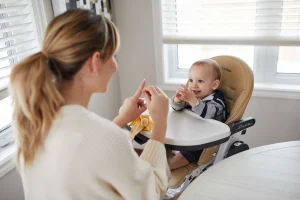
What if infants could clearly tell us what they want before they can talk? With simple sign language, they can! Teaching infants signs gives them a voice even before they have words. Research shows that babies as young as 6 months can learn simple signs, which can lead to reduced frustrated crying and support early language development.

Babies have ways to communicate by making facial expressions, crying, and making sounds. However, they can be hard to understand, leading to lots of frustration. By teaching them signs that match their needs, the child is able to communicate better and sooner. Infants learn signs easier compared to learning spoken words, and studies have even confirmed that learning sign language has helped the child develop speech.

Beginning around 6 months, adults can model signs and gently physically prompt the baby to mirror the sign. Prompts and rewards can be motivating but should be gradually delayed to encourage independence. Some useful, simple signs to introduce are “more”, “please”, “up”, “food”, and “all done”. This process of teaching will eventually lead to independent signing from the babies in real scenarios. Communication will become more specific and calmer.

Even if you don’t have a baby to teach, taking the time to learn basic sign language is a small step that can make a big difference. It’s a language everyone can use to connect.

If you would like to read more, click here!

Grace Hoey

UConn KIDS Research Assistant

When Do Kids Say Their First Words?


When is that magical moment when a child goes from coos and babbles to real words? HELLO Lab’s latest episode, “When Do Kids Say Their First Words,” looks at this question using research and real footage from their lab! 

This episode explains that before words fully emerge, babies spend several months practicing sounds, listening closely, and learning how communication works. Word learning is a long, yet important process. The video discusses the milestones babies reach before they begin to talk. All the small steps lead to the child learning about the purpose of communication.  

Although the moment at which children begin talking varies, most babies develop important communication skills throughout infancy before spoken language emerges. 

Watch more here!

Grace Hoey 

UConn KIDS Research Assistant